
Quick Look: Key Points
Night Sweats
Night sweats, which is basically sweating too much while you're asleep, can happen for lots of different reasons. Sometimes it's no big deal, but other times it could be a sign of something that needs a doctor's attention.

Sweating at Night
A specific form of excessive sweating is nocturnal sweating, also known as night sweats. In most forms of hyperhidrosis, it is very typical to sweat during the day but not at night. With night sweats, it is exactly the opposite. The affected person wakes up during the night, often towards the morning, sometimes soaked in sweat with drenched pyjamas and wet bed linen. If sweating at night only occurs occasionally, there is usually a very simple reason, such as excessively high temperatures in the bedroom, a duvet that is too thick, exceptional psychological situations (nightmares) or alcohol consumption in the evening.
"If night sweats occur over a longer period of time, a medical consultation is recommended."
If sweating at night occurs over a prolonged period, it is referred to as nocturnal hyperhidrosis. In addition to the unpleasant sensation and the need to change clothes and shower in the middle of the night, there is the burden of sleep deprivation, which can have consequences ranging from fatigue and lack of concentration to serious illnesses.
This problem can be caused by various underlying diseases; therefore, a medical clarification is necessary. Depending on the situation, the GP will refer the patient to a specialist, which can range from a gynaecologist to a psychiatrist or an oncologist. In the case of secondary hyperhidrosis, including nocturnal hyperhidrosis, therapy is oriented towards the underlying disease. Additionally, or if it should be a case of primary hyperhidrosis (very rare with night sweats), it can be helpful to use cooling bed linen (silk or microfibre satin) or moisture-absorbing fabrics (linen). Using several thin blankets on top of each other allows you to regulate the heat. Under no circumstances should the bedroom be heated. Breathable nightwear can also provide relief. Avoiding the consumption of spicy food, alcohol, coffee, and nicotine in the evening is often helpful as well. Otherwise, it is worth trying natural remedies such as sage.
List of Causes for Night Sweats:
Sleeping Conditions:
- Room temperature too warm
- Duvets too thick
- Synthetic bed linen
- High humidity
Lifestyle:
- Excessive consumption of alcohol, nicotine or caffeine
- Spicy food shortly before going to bed
- Stress and psychological strain
Medication:
- Some medications can lead to increased sweating as a side effect (e.g. certain antidepressants, hormone preparations)
Medical Causes:
- Infections: Influenza, Tuberculosis, Endocarditis
- Inflammatory diseases: Rheumatoid arthritis, Chronic inflammatory bowel diseases
- Metabolic diseases: Diabetes mellitus, Thyroid diseases (Hyperthyroidism)
- Cancer: Lymphomas, Leukaemias
- Hormonal disorders: Menopause in women
- Sweating for no apparent reason
- Neurological diseases: Parkinson's disease
- Others: Sleep apnoea, Obesity
Hormones in Men (Andropause)
Hormonal causes in men: Not just a women's issue. While the female menopause is widely known, the hormonal transition in men (andropause) is often overlooked. Falling testosterone levels can affect the temperature centre in the brain and lead to massive night sweats. These often occur together with a lack of drive, muscle loss or sleep disorders. A simple hormone check by a urologist or GP can quickly provide clarity.
When should you see a doctor?
If night sweats occur frequently, are associated with other symptoms such as fever or weight loss, or if they severely impair sleep, you should definitely consult a doctor. They can clarify the cause and, if necessary, initiate appropriate treatment.
Important for diagnosis: B-symptoms. Medical professionals pay particular attention to a trio of symptoms known collectively as "B-symptoms": night sweats, fever, and unintentional weight loss. If you have lost a significant amount of weight in recent weeks without changing your diet, a visit to the doctor is urgent and should be made promptly to rule out inflammation or malignant diseases.
Important Note: This list is not exhaustive and does not replace medical advice. Only a doctor can determine the exact cause of your night sweats and initiate appropriate therapy.
Practical tips you can implement immediately
The underestimated role of the mattress and sleep hygiene. Often the cause of night sweats is not within the body, but in the immediate surroundings.
- Heat accumulation from mattresses: Modern memory foam mattresses (visco-elastic foam) adapt to the body but store an extreme amount of heat and barely allow air to circulate. Those prone to night sweats should opt for pocket-sprung mattresses or natural materials such as horsehair or natural latex.
- The emergency bedside kit: Keep a fresh set of nightwear and a large Terry towel right next to the bed just in case. This allows you to dry off and change quickly during a sweating episode without turning on the light or leaving the room. This keeps your blood pressure low and makes it easier to fall back asleep.
- Choice of material: Look for natural fibres for pyjamas. Tencel (Lyocell) or bamboo fibres can absorb significantly more moisture and wick it away from the body than classic cotton or synthetic fabrics.
First published on: May 12, 2011
Updated on: December 29, 2025
 (176)
(176)
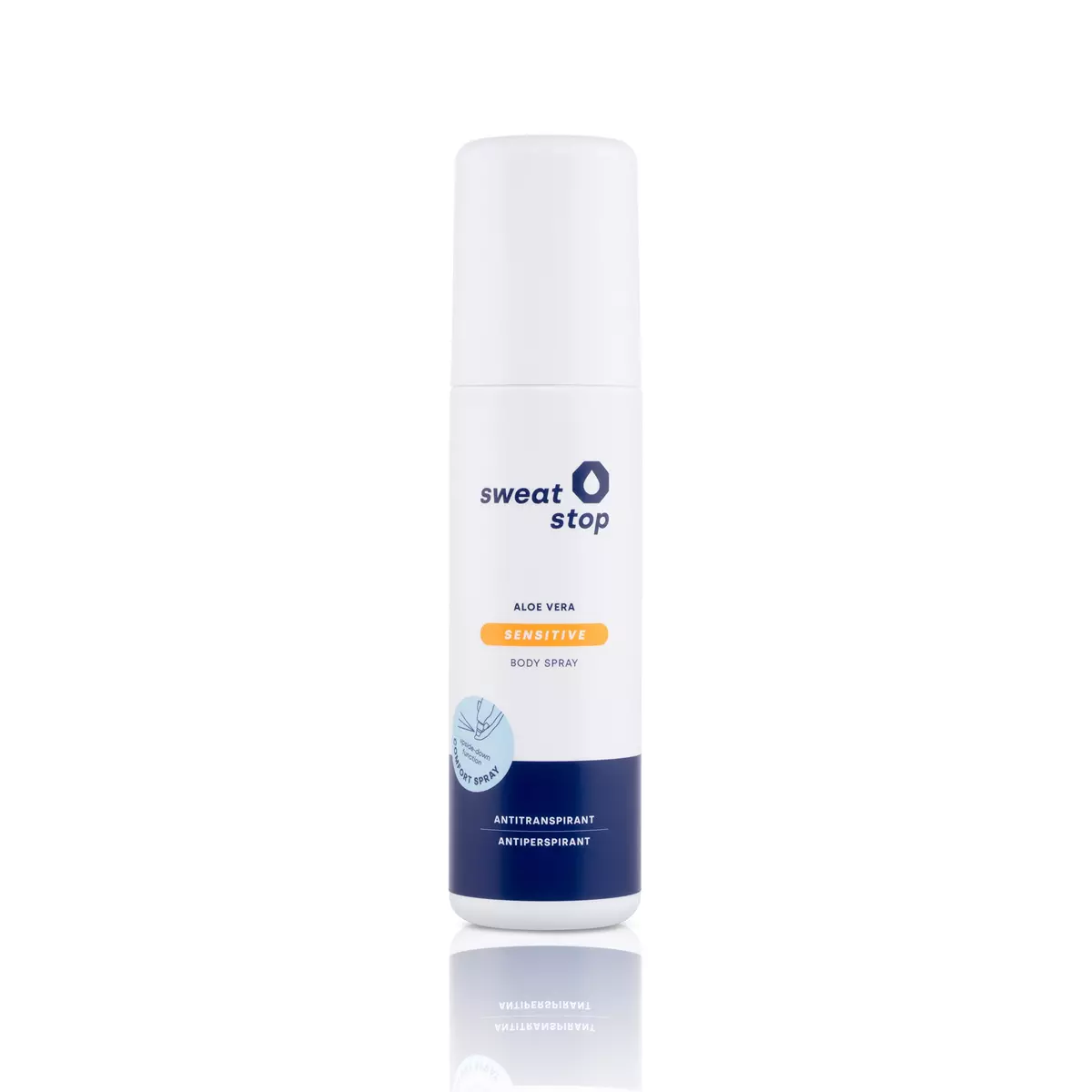
Content: 0.1 Liter (€289.00 / 1 Liter)
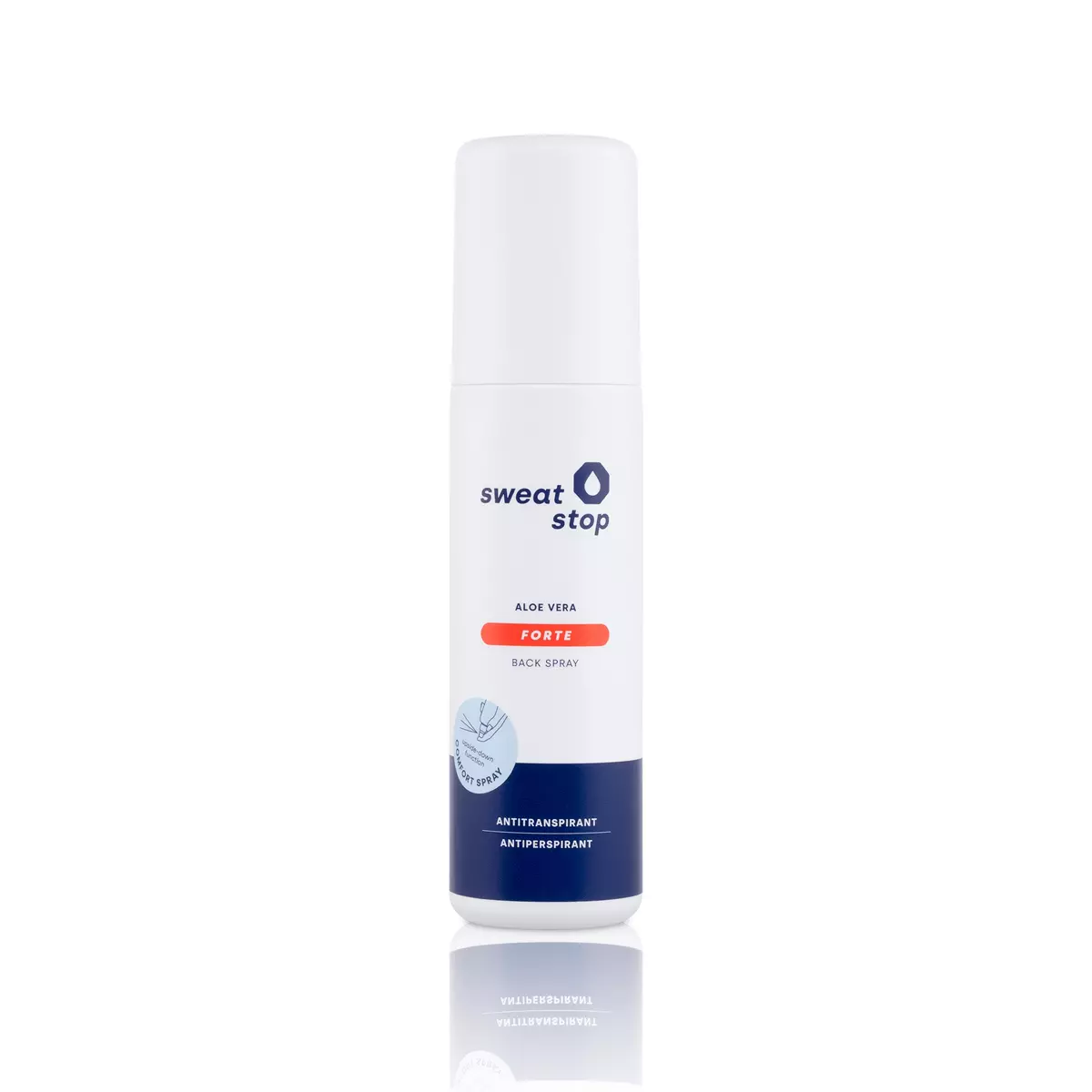
Content: 0.1 Liter (€289.00 / 1 Liter)